Music is the universal language of childhood, and in a Nepali household, Nepali rhymes are the heartbeat of early development. For generations, these rhythmic verses have done more than just entertain; they serve as a vital bridge, connecting our Nani babu (little ones) to their rich linguistic heritage and the beautiful Devanagari script.
In today’s digital age, the way we consume these stories has changed, but their value remains the same. Whether you are a parent in Kathmandu or part of the Nepali diaspora living abroad, this guide explores the top categories of Nepali rhymes—from educational alphabet songs to soothing lullabies—referencing the most popular digital collections available today to help your child grow with a strong cultural foundation.
I. English Rhymes for Nepali Children: The Bilingual Start
In most modern Nepali preschools and households, English rhymes have become a staple. They often complement traditional Nepali rhymes, providing a smooth transition into bilingualism. Parents and teachers introduce simple English verses to support early language development while maintaining a connection to Nepali culture.
The ABCD Integration
One of the most common starting points is the ABCD Song, which teaches the English alphabet in a fun and rhythmic way. Children often learn letters through songs like: “A B C D, E F G… H I J K, L M N O P…”
By singing along and recognizing letters, children build a phonetic base. Simple visual aids, flashcards, or animated videos help reinforce this learning.
SEO Insight for Global Learning
Introducing English rhymes alongside Nepali rhymes for kids helps toddlers become bilingual learners. Understanding the rhythm, sounds, and pronunciation in both languages prepares them for a globalized world. English classics like “Twinkle Twinkle Little Star,” “Wheels on the Bus,” and the “Itsy Bitsy Spider” are often the first step before gradually introducing traditional Nepali rhymes such as Ka Kha Ga Gha.
Key Focus for Parents:
- Balance: Combine English rhymes with Nepali balgeet for balanced language exposure.
- Active Participation: Encourage children to sing along to both English ABCD songs and Nepali alphabet rhymes.
- Visuals: Use engaging visuals and repetition to reinforce memory and letter recognition.
II. The Nepali Alphabet Song: The Foundation of Literacy
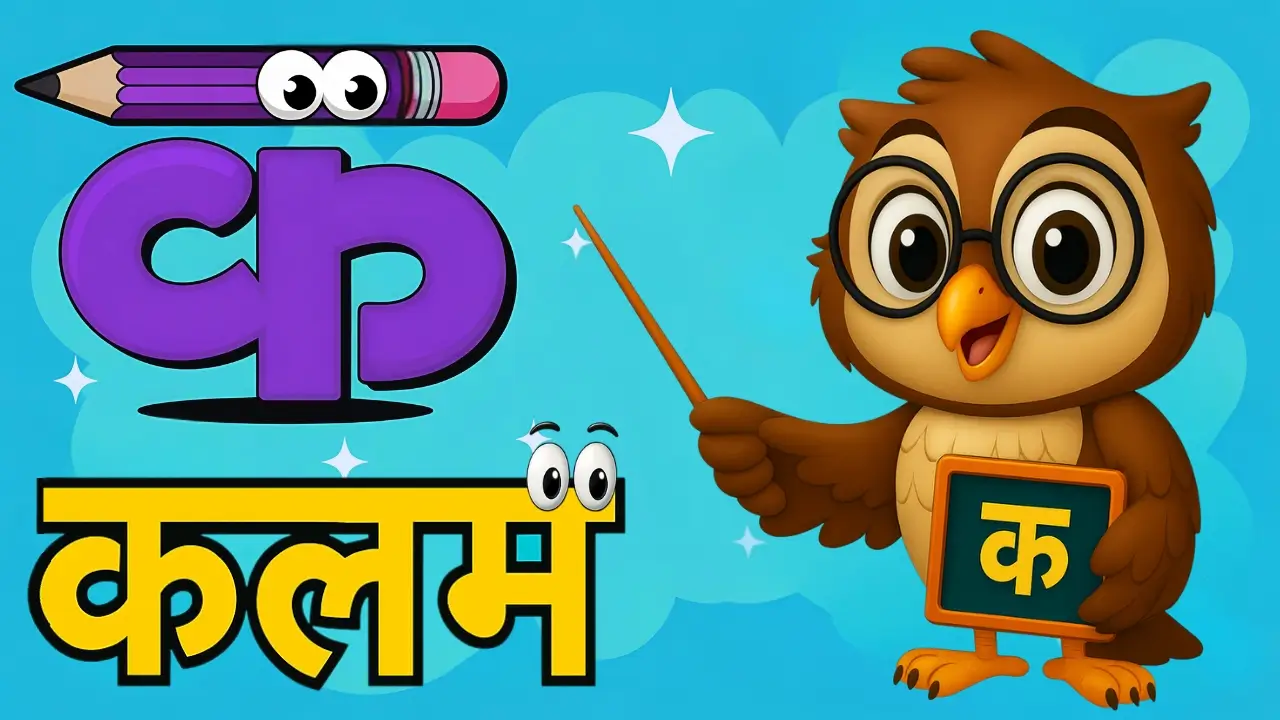
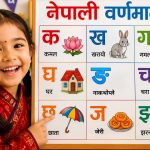
If English rhymes provide a global start, the Nepali Alphabet Song provides the cultural roots. This is the primary tool for teaching toddlers the Nepali script (Devanagari). Starting with Ka, Kha, Ga, Gha, and including the Barahakhari (Ka Ka, Ki Ki) as well as the vowels (A, Aa, E, Ee), these songs introduce children to foundational sounds in a memorable way.
Learning Value and Phonetics
- Rhythmic Repetition: Repeating letters like Ka, Kha, Ga, Gha helps with phonetic development.
- Vowel Practice: Songs focusing on A, Aa, E, Ee strengthen early reading skills and pronunciation.
- Memory Retention: Repeated singing makes letter recognition natural for toddlers, reducing the “burden” of formal learning.
The Digital Connection
Digital versions of these Nepali rhymes often use bright animations where characters highlight each letter as it is sung. This reinforces visual and auditory learning simultaneously. Many YouTube channels now provide interactive Nepali Alphabet songs that combine music, movement, and colorful graphics.
Tips for Effective Learning:
- Call and Response: Sing a letter and have your nani babu repeat it back to you.
- Flashcard Matching: Hold up a card with “क” while the song plays the “Ka” sound.
- Physical Movement: Create dance moves for different letters to engage kinesthetic learners.
III. Traditional Nepali Lullaby (Lori): The Soothing Melodies
Beyond the upbeat educational songs lie the “Cultural Melodies”—the soft, rhythmic songs used to soothe infants. These nepali rhymes are known as Loris.
Emotional Connection and Tempo
Lullabies differ significantly from upbeat rhymes. They focus on slow tempos and repetitive, calming lyrics that have been passed down through generations. A Lori isn’t just about sleep; it’s about the emotional bond between the caregiver and the child.
Popular Examples:
In many curated playlists, you will find tracks that prioritize a child’s sleep routine. These often include lyrics about the “Mama Ghar” (Uncle’s house), the moon (Jun) appearing in the sky, and nature. The soft hum of a mother’s voice singing a traditional Lori is often a child’s first introduction to the melody of the Nepali language.
IV. Popular Nepali Rhymes Songs (Baal Geet): The Modern Hits
This section covers the most “viral” and well-known nepali balgeet. These are the songs that kids ask for on repeat and that parents remember from their own childhoods.
Community Favorites: “Tara baji lai lai“ and More
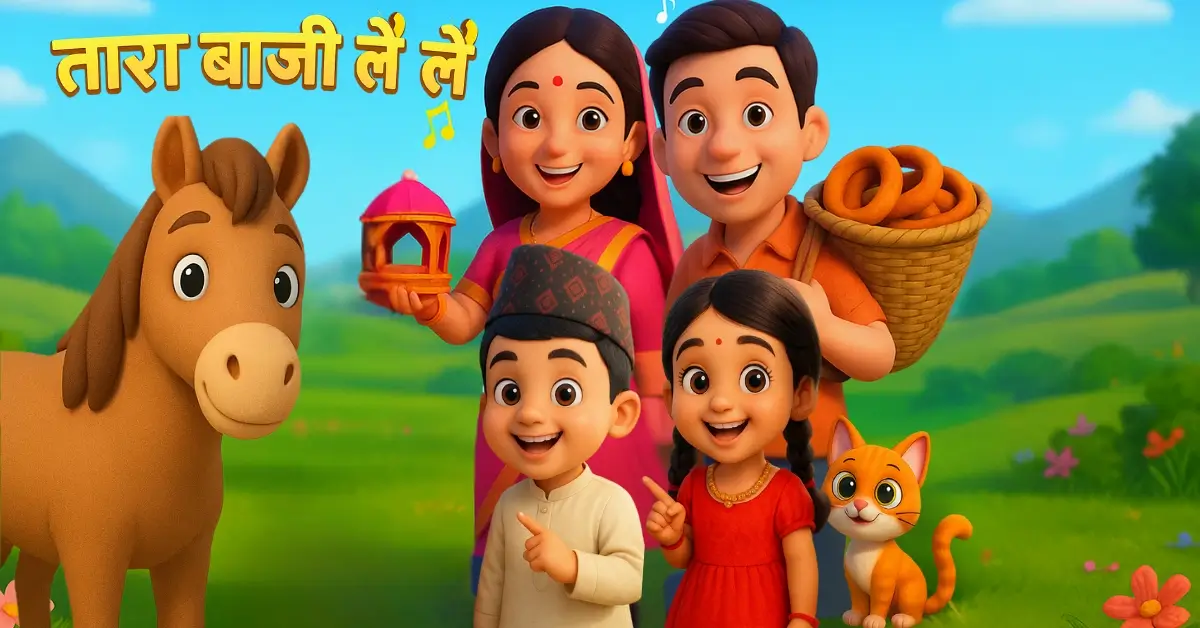
Drawing from community discussions (including platforms like Reddit and Facebook parenting groups), certain rhymes are considered “classics.”
- Tara baji lai lai: Perhaps the most famous of all Nepali rhymes for kids. The song brings to life the playful and joyful world of kids, filled with family fun and cheerful activities. Lines like “Tara Baji Lai Lai, Mama aaye ghoda, Maiju aain doli, Papa layin soli” show children enjoying family gatherings and lively celebrations, while “Bubu mama supukka, Kafal gedi kutuk” captures their playful games and innocent mischief. The rhyme also introduces little animals in a fun way, as seen in “Biraloo bhancha ‘myau myau’, Agloto bhancha ‘uchittyayo!’”, adding excitement and laughter. Overall, this rhyme entertains while celebrating the joy, playfulness, and cultural charm of Nepali childhood.
- Kukhuri Ka: A morning song that introduces children to the sounds of animals and the start of a new day. “Kukhuri Ka! Basi Bhat Kha!” is a fun and playful Nepali rhyme for children. The song takes kids on a humorous and imaginative journey through a series of events. It begins with the chicken telling someone to “eat the leftover rice,” and then follows the rice’s mysterious adventure – the cat ate it, the mouse went after it, it went into the sack, the cow trampled it, the river carried it away, and finally, it dried up completely. Each line of the rhyme engages children’s curiosity, encourages imagination, and brings laughter, making it a delightful and interactive way to entertain young listeners while subtly teaching cause-and-effect and sequencing.
-
Meow Meow Biralo: A playful rhyme about a restless cat that teaches adjectives and animal behavior. “Meow Meow Biralo” is a lively and entertaining Nepali rhyme for children. The song captures the playful and mischievous nature of a little cat, inviting kids to join in the fun. Lines like “Yeta tira aau, Mero Nana Katidine, Musa Mari Khau” show the cat’s playful antics, while “Karayi ko Bubu Na Khau, Ma bhokai Hunchu” humorously expresses the cat’s little demands and hunger. The rhyme continues with fun, imaginative actions – “Dhuru Dhuru Runchu, Lathhi Le Hanchu” – encouraging children to laugh, move, and participate. Overall, the rhyme entertains kids while sparking imagination, playful interaction, and joy.
The Rise of Animation
The rise of high-quality animated YouTube versions of these rhymes has made them more accessible to the Nepali diaspora worldwide. Whether you are in New York, London, or Sydney, your child can watch a high-definition video of Meow Meow Biralo, ensuring they don’t lose touch with their roots.
V. Festival Rhymes: Teaching Nepali Culture Through Celebration
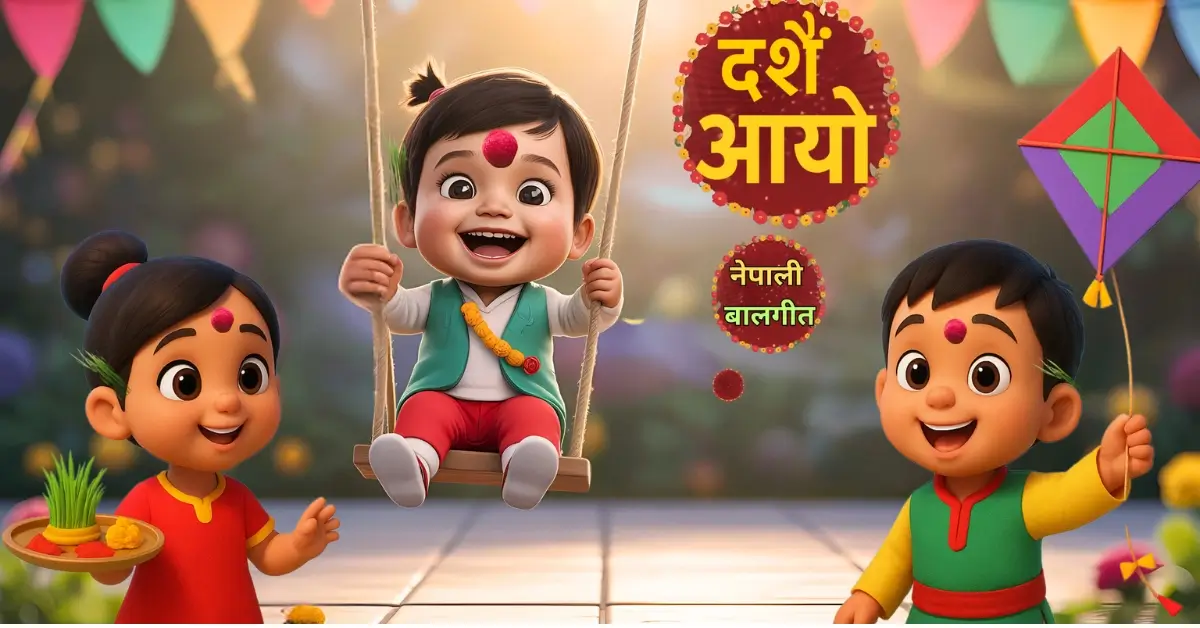
Nepali festivals are not only moments of celebration but also powerful opportunities for children to learn about their culture through music and rhythm. Festival-based Nepali rhymes help young learners understand the meaning behind traditions, rituals, and values in a fun and memorable way. By singing rhymes connected to Dashain, Tihar, and Holi, children experience these festivals beyond decorations and food—they learn the stories, emotions, and cultural significance that make Nepali celebrations truly special.
Dashain Rhymes: Songs of Family, Blessings, and Tradition
Dashain-the biggest festival in Nepal-is deeply connected with family, respect, and blessings, and these values are beautifully reflected in Dashain rhymes for children. Through simple songs about tika, jamara, bamboo swings (ping), and visits to elders, kids learn the importance of family bonds and cultural rituals. Singing Dashain rhymes helps children understand why elders give blessings and why families come together during this festival, making culture feel joyful and meaningful rather than instructional.
Tihar Rhymes: Lights, Love, and Celebration
Tihar rhymes bring joy, color, and rhythm into a child’s learning experience by celebrating Deusi Bhailo, Bhai Tika, and the festival of lights. These rhymes often include fun lyrics about diyo, flowers, sisters and brothers, helping kids connect songs with real-life traditions they see at home. Through Tihar rhymes, children naturally learn values like gratitude, sibling love, and respect for nature, while enjoying music that reflects the warmth and happiness of Nepali culture.
Holi Rhymes: Colors, Friendship, and Joy
Holi rhymes are playful, energetic, and full of excitement, just like the festival itself. Songs about colors, water, laughter, and friendship encourage children to express happiness and togetherness in a safe and joyful way. By singing Holi rhymes, kids learn that the festival is not only about playing with colors but also about unity, forgiveness, and shared happiness—important cultural values rooted in Nepali society.
VI. Why Every “Nani Babu” Needs These Rhymes
The psychological and educational benefits of Nepali rhymes are vast. They are not merely “songs”; they are cognitive tools.
- Vocabulary Expansion: Rhymes introduce words that might not be used in everyday conversation, such as traditional names for birds, flowers, and household items.
- Cultural Identity: By singing about Nepali festivals, landscapes, and family structures, children develop a sense of belonging.
- Social Skills: Singing rhymes in groups (like local preschool) teaches children about turn-taking, cooperation, and collective joy.
VII. How to Integrate Nepali Rhymes into Daily Life
As a seasoned SEO expert and blogger, I’ve seen that the most successful “learning” happens when it’s unconscious. Here is how you can weave nepali rhymes into your child’s schedule:
- Morning Routine: Start the day with Kukhuri Ka to wake up the senses.
- Meal Times: Use short Nepali Balgeet to make eating more engaging.
- Travel Time: Instead of random pop music, play a “Nepalese Nursery Rhymes” playlist during car rides.
- Evening Wind-down: Switch to the gentle Lori tracks to signal that it is time for bed.
VIII. The Future of Nepali Kids Rhymes
We are seeing a revolution in how Nepali rhymes are produced. From simple 2D illustrations to complex 3D animations, the quality is catching up with global giants like Cocomelon. This is vital because it keeps the attention of the modern child, who is used to high-quality visual stimuli. However, the soul of these songs remains in the lyrics—the simple, heartfelt words that represent the Nepali spirit.
IX. Conclusion & Call to Action
To ensure a well-rounded cultural and linguistic foundation, it is essential to balance English rhymes with Nepali rhymes. While English opens doors to the world, Nepali rhymes keep the heart connected to home. From the educational beats of the Nepali alphabet song to the comforting whispers of a Lori, these songs are the greatest gift you can give your child’s developing mind.
Start the journey today! We encourage all parents to explore curated “Nepalese Nursery Rhymes” playlists. Whether it’s the classic Meow Meow Biralo or a new animated Nepali Balgeet, let the music fill your home and the language fill your child’s heart.